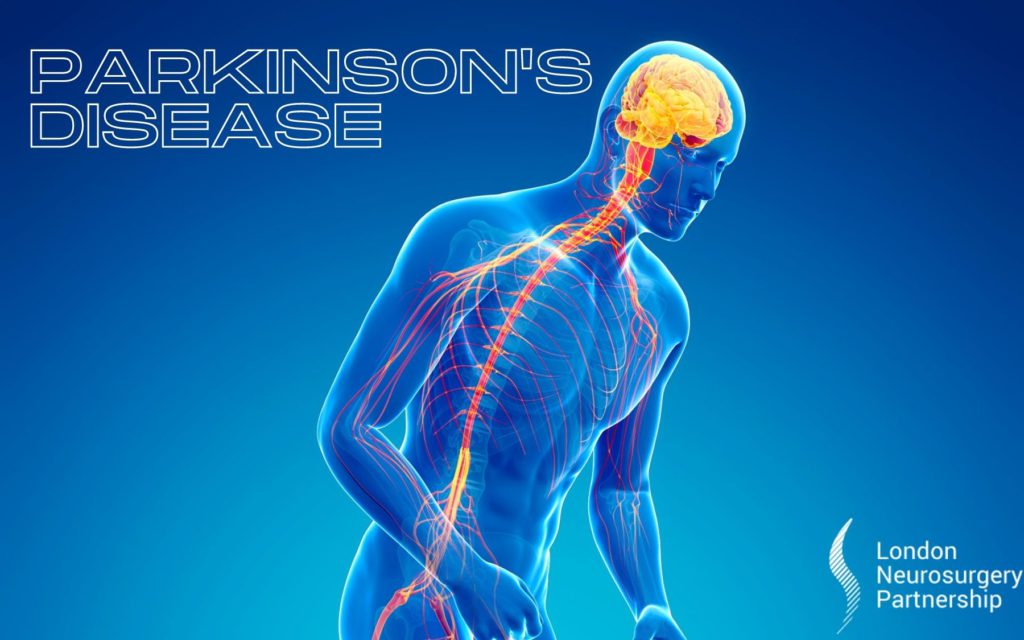
At 43, Lijo’s life took an unexpected turn when he was diagnosed with advanced Parkinson’s Disease (PD), forcing him to leave his well-paid job. His family was blindsided by the sudden onset of severe symptoms, which appeared without any prior warning. Although late-stage treatment options such as dopamine therapy and symptom management provided some relief, they offered no cure. The illness also brought significant financial strain, with tremors and balance issues becoming his primary daily challenges.
Lijo’s story is far from unique in India, which accounts for at least 10 percent of the world’s 9.4 million Parkinson’s Disease cases. PD is a progressive neurological disorder that impairs movement and causes tremors, stiffness, and balance problems. Across the country, countless families face similarly heart-wrenching experiences and the same uncertainties.
India also reports a notably higher incidence of early-onset PD, with nearly 40–45 percent of patients developing motor symptoms between the ages of 22 and 49. One of the biggest challenges in managing Parkinson’s is the difficulty of detecting the disease in its earliest stages. Early detection is crucial because it allows more effective treatment options, helping patients maintain a better quality of life for longer.
Grifols, a Spanish pharmaceutical leader in plasma-derived medicines and transfusion science, is currently at the forefront of groundbreaking research aimed at identifying early biomarkers for Parkinson’s Disease. With a repository of more than 100 million plasma samples collected over nearly 15 years, Grifols is pioneering a high-tech research initiative that may soon revolutionise the early detection of PD.
The Grifols initiative, known as Chronos-PD, is expected to reach a key milestone in the first half of 2025 with the completion of its pilot study.
In a recent interview with Drug Target Review, Jorg Schuttrumpf, Chief Scientific Innovation Officer at Grifols, highlighted the unique value of plasma in understanding disease. “Plasma, the liquid component of blood, holds crucial information about an individual’s health, with its protein composition shifting over time due to aging and disease. These changes create biomarkers that provide insights into both current and future health. By studying these longitudinal changes, Grifols aims to identify early indicators of disease before formal diagnosis,” he explained.
The Chronos-PD project focuses on analysing plasma samples to uncover these early biomarkers of Parkinson’s, potentially paving the way for innovative diagnostic tools and disease-modifying therapies. “We expect the completion of the pilot study in the first half of 2025,” Schuttrumpf confirmed.
The potential implications of this research are profound. Early detection could significantly improve patient outcomes and open the door to clinical trials for new treatments at the disease’s earliest stages. This represents a vital step forward in the fight against Parkinson’s Disease, offering hope for more effective therapies and better long-term prognoses for those affected.
In conclusion, a long-awaited breakthrough in the early detection of Parkinson’s Disease may now be within reach—bringing renewed hope for improved diagnosis, treatment, and quality of life for those at risk or living with the condition.